
Arabica is Good. Robusta is Inferior. Or Is It?

I once heard coffee described simply: Arabica is good, Robusta is inferior. At first, it seemed clear and easy to understand. But the more I tasted, the less useful those labels became. Coffee is more complex than just species. The way coffee is grown, harvested, processed, roasted, and brewed shapes its quality and flavor just as much as the species itself.
In this post, I want to share what I’ve learned about the four main coffee species: Arabica, Canephora (Robusta), Liberica, and Excelsa. I’ll explain why taste matters more than labels and why different does not mean inferior. I’ll also share some examples of specialty coffees that changed my mind about what good coffee really is.
Understanding Coffee Species and Their Potential
Coffee comes mainly from four species. Each has unique traits that influence flavor and growing conditions.
Arabica (Coffea arabica)
Arabica is the most popular species worldwide. It grows best at high altitudes and cooler climates. Arabica beans tend to have a sweeter, softer taste with hints of fruit and sugar. They usually have higher acidity and more complex flavors.
Canephora (Robusta)
Robusta grows at lower altitudes and warmer climates. It is hardier and more resistant to pests. Robusta beans have a stronger, harsher taste with more bitterness and earthy notes. They also contain more caffeine than Arabica.
Liberica (Coffea liberica)
Liberica is less common but grown in some parts of Asia and Africa. Its beans are larger and have a unique floral and fruity aroma. The taste can be quite different from Arabica and Robusta, often described as smoky or woody.
Excelsa (Coffea excelsa)
Excelsa was once considered a separate species but is now classified as a variety of Liberica. It has a tart, fruity profile with a mysterious flavor that can add complexity to blends.
Each species sets the stage for what coffee can become. But species alone does not decide quality or taste.

Close-up view of roasted Arabica and Robusta coffee beans side by side
Why Quality Depends on More Than Species
I’ve tasted many coffees labeled as Arabica or Robusta. Some Arabicas were bland or over-roasted. Some Robustas surprised me with smooth, rich flavors. This taught me that quality depends on many factors beyond species.
Cultivation
Where and how coffee is grown matters. Soil quality, altitude, rainfall, and shade affect bean development. For example, Arabica grown at 5,000 feet in Vietnam’s Central Highlands can develop complex flavors. Meanwhile, Robusta grown in poor soil with little care may taste harsh.
Harvest
Picking ripe coffee cherries by hand ensures better quality. Overripe or underripe cherries can spoil the taste. Many specialty coffee producers focus on selective picking to get the best beans.
Processing
How coffee cherries are processed after harvest changes flavor. Washed (wet) processing tends to produce cleaner, brighter coffee. Natural (dry) processing can add fruity or wine-like notes. Honey processing falls in between. Each method suits different species and regions.
Roasting
Roasting transforms green beans into the coffee we drink. Light roasts preserve origin flavors but may taste sour or grassy if underdone. Dark roasts bring out bitterness and body but can mask subtle notes. Roasters must balance roast level with bean type.
Brewing
Finally, brewing method affects taste. Espresso, pour-over, French press, and cold brew all highlight different aspects of coffee. Even the same coffee can taste very different depending on how it’s brewed.
Exploring Liberica and Excelsa: Taste Before Judging
Most coffee drinkers know Arabica and Robusta. But Liberica and Excelsa are less familiar. I encourage you to try them before making judgments.
Liberica beans are large and irregular. The coffee has a smoky, floral aroma with a full body. It can taste fruity or woody depending on processing. Some people find it unusual but enjoyable.
Excelsa offers a tart, fruity profile with hints of dark fruit and spice. It adds complexity when blended with other coffees. It’s rare but worth seeking out for a new experience.
Trying these species expands your coffee palate and challenges the idea that only Arabica is good.

Eye-level view of a cup of Liberica coffee with a smoky aroma
How Specialty Coffee Changes the Conversation
Specialty coffee focuses on quality from farm to cup. It values traceability, sustainability, and unique flavors. This approach shows that Robusta and other species can shine when treated well.
For example, iO Coffee Vietnam works with local farmers to improve Robusta quality. They use careful harvesting and processing to bring out sweetness and reduce bitterness. Their Robusta coffees have won awards and changed many minds.
Similarly, some producers craft blends mixing Arabica with Robusta or Excelsa to create balanced, interesting flavors. These blends break the old idea that Robusta is always inferior.
If you want to explore specialty coffee, I recommend trying:
This Robusta is carefully processed to highlight its natural sweetness and body. It’s a great example of how Robusta can be delicious.
Their Arabica coffees come from high-altitude farms with rich, complex flavors.
Trying these coffees helps you taste the difference quality makes.
What Coffee Changed Your Mind?
For me, the coffee that changed my mind was a Robusta from Vietnam’s Central Highlands. It was smooth, sweet, and full-bodied. It showed me that Robusta can be more than just bitter filler.
I also enjoyed a Liberica coffee with its smoky, floral notes. It was different but not inferior. It reminded me to judge coffee by taste, not by labels.
Coffee is a journey. The more you taste, the more you learn. Don’t let old ideas limit your experience. Different does not mean inferior.
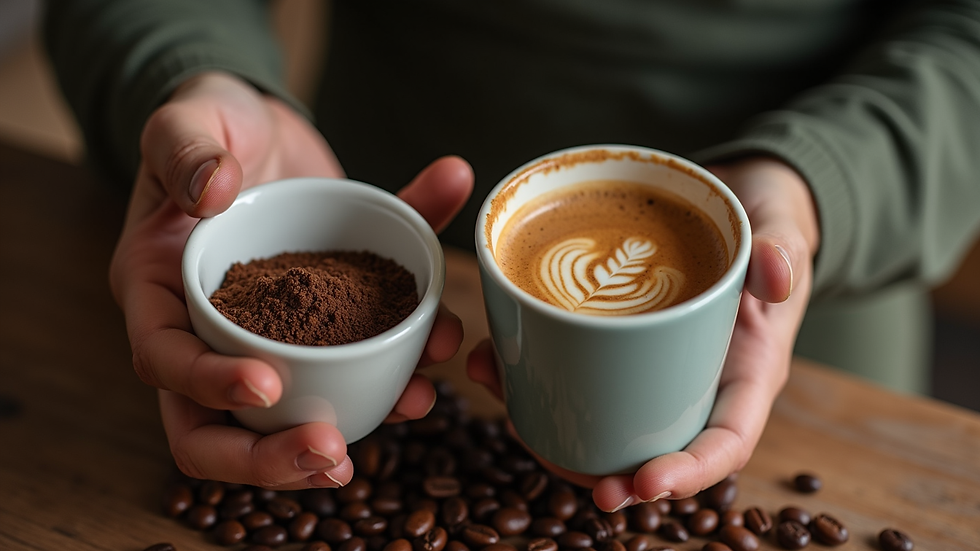
High angle view of a coffee cupping session with Arabica, Robusta, Liberica, and Excelsa samples
Final Thoughts
Arabica is often called good, and Robusta inferior. But this simple label misses the full story. Species sets potential, but quality depends on cultivation, harvest, processing, roasting, and brewing.
Liberica and Excelsa offer unique flavors worth exploring. Specialty coffee producers like iO Coffee Vietnam show that Robusta can be delicious and valuable when handled with care.
Taste before judging. Different does not mean inferior. Your next favorite coffee might be one you never expected.
If you want to explore high-quality, sustainable Vietnamese coffees, check out iO Coffee Vietnam. They are changing the global coffee industry by helping producers add value and bringing specialty Vietnamese coffee to the world.
What coffee changed your mind? Try new species and styles. Keep tasting. Keep learning.
This post is for informational purposes only and reflects personal experience and opinion.


Comments