
A low price does not erase a cost—it moves it into the soil, water, farming family or future supply. Before asking, “How much is this cup?” we should also ask, “Who has already paid for it?”
- IO Coffee

- 17 hours ago
- 4 min read
When I pick up a cup of coffee, I often wonder about its price. It might seem low, affordable, even a bargain. But I have learned that a low price does not mean the cost has disappeared. Instead, the cost shifts somewhere else—into the soil, the water, the farming family, or the future supply of coffee. This hidden cost is often invisible to us as consumers.
Before asking, “How much is this cup?” we should also ask, “Who has already paid for it?” This question changes how I see coffee and its true value.
Understanding the True Cost of Coffee
Coffee is more than just a drink. It is a product of nature, hard work, and time. When coffee is sold at a very low price, it often means someone or something has paid a price elsewhere.
For example, farmers might use harmful chemicals to increase yield quickly. This can damage the soil and water around their farms. Over time, the land becomes less fertile, and water sources get polluted. The environment pays a heavy price.
Farmers themselves may also suffer. Low prices often mean low income for them. Many coffee farmers live in poverty, struggling to support their families. When prices are too low, farmers cannot invest in better farming methods or education for their children. This creates a cycle of hardship.
Finally, the future supply of coffee is at risk. If the soil and water are damaged, and farmers cannot sustain their farms, coffee production will decline. This affects everyone who loves coffee.

Coffee beans drying on a farm in Vietnam, showing the connection between farming and the environment.
The Impact on Soil and Water
Soil and water are the foundation of coffee farming. Healthy soil provides nutrients for coffee plants. Clean water is essential for irrigation and processing coffee cherries.
When coffee is grown cheaply, farmers may cut corners. They might use chemical fertilizers and pesticides that harm the soil’s natural balance. Over time, this reduces soil fertility and increases erosion.
Water pollution is another problem. Chemicals from farms can run off into rivers and lakes. This harms aquatic life and contaminates drinking water for nearby communities.
Sustainable farming practices protect soil and water. Shade-grown coffee, organic fertilizers, and natural pest control help maintain the land’s health. These methods may cost more upfront but save the environment and future harvests.
The Human Cost: Farming Families
Coffee farming is often a family business. Many smallholder farmers depend on coffee for their income. When prices are low, families struggle to cover basic needs like food, healthcare, and education.
Low prices can force farmers to work longer hours or hire cheap labor, sometimes including children. This affects family well-being and community development.
Fair prices help farmers invest in their farms and families. They can afford better tools, education, and healthcare. This improves quality of life and supports sustainable coffee production.
Future Supply and Quality of Coffee
Cheap coffee today can mean less coffee tomorrow. Soil degradation, water pollution, and farmer poverty reduce the ability to grow high-quality coffee in the future.
Specialty coffee, known for its unique flavors and quality, requires careful farming and processing. This takes time, skill, and investment. When farmers cannot afford these, coffee quality drops.
Supporting sustainable coffee means supporting the future of coffee. It means valuing quality and fairness over just the lowest price.
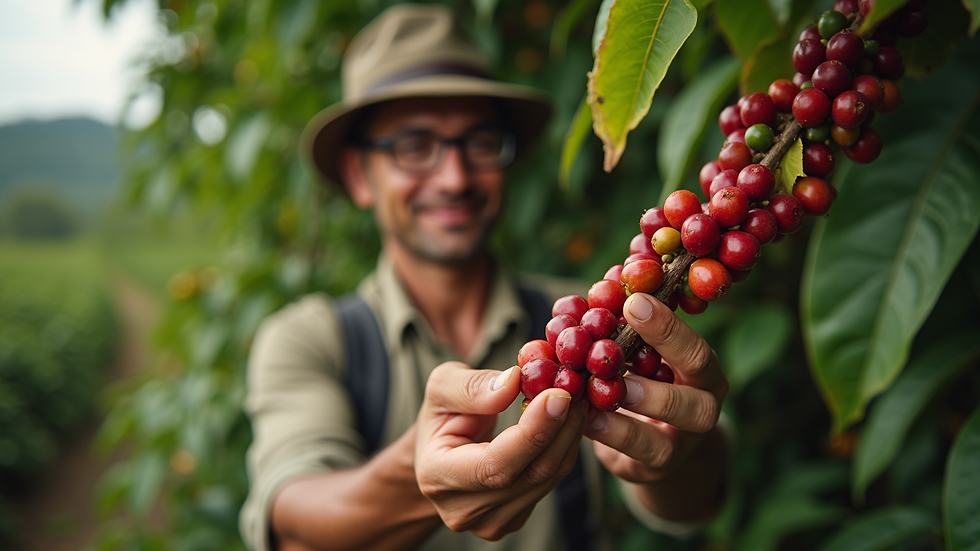
Coffee farmer carefully inspecting ripe cherries, highlighting the care needed for quality coffee.
Examples of Sustainable Coffee Products
To understand how sustainable coffee works in practice, I want to share two examples of products that reflect these values.
iO Coffee Vietnam
iO Coffee Vietnam is a brand that focuses on bringing high-quality, sustainable specialty coffee from Vietnam to the world. They work closely with local farmers to ensure fair prices and sustainable farming methods. This helps farmers earn more and protects the environment.
You can learn more about their approach and products on their website: iO Coffee Vietnam.
Another Example: Organic Shade-Grown Coffee
Organic shade-grown coffee is grown under a canopy of trees. This method protects soil and water, supports biodiversity, and produces rich flavors. It often costs more but offers a better future for farmers and the planet.
How Consumers Can Make a Difference
As coffee lovers, we have power. Our choices affect the entire coffee chain. Here are some ways to support sustainable coffee:
Choose coffee from brands that pay fair prices to farmers.
Look for certifications like organic or fair trade.
Support local or specialty coffee roasters who focus on quality and sustainability.
Learn about the origin of your coffee and the farming practices used.
By asking, “Who has already paid for this cup?” we become more aware of the true cost. This awareness helps us make better choices.

Specialty coffee served with care, representing the value of quality and sustainability.
Final Thoughts
A low price on coffee may seem good at first. But it often hides costs that affect the environment, farming families, and future coffee supply. When we ask, “Who has already paid for this cup?” we see the full picture.
Supporting sustainable coffee means supporting farmers, protecting the land, and enjoying better coffee. Brands like iO Coffee Vietnam show how this can work in practice.
Next time you enjoy a cup of coffee, think about its true cost. Choose coffee that respects the people and planet behind it. This way, we help build a better future for coffee and everyone who loves it.

Comments